
Online craps basic strategy is less about chasing big payouts and more about keeping the maths on your side. For an Australian adult sitting down to a digital table, the real work happens before the first dice roll: pick a platform that treats your money and your limits with the same respect it expects from the game. You want clear odds, sensible table limits, and a layout that doesn’t hide the house edge behind flashy side bets. The strategy piece is straightforward once you strip out the noise, but it only works if the room you’re playing in is built properly. That means checking licence details, reading how support actually responds, and making sure the account tools let you step back when the session runs hot. I’ve spent years around it is all here with us trading desks and sportsbook markets where the edge comes from discipline, not decoration, and the same blunt logic applies here: control the pace, know the rules, and let the table do what it does.
Where the maths actually sits on a craps table
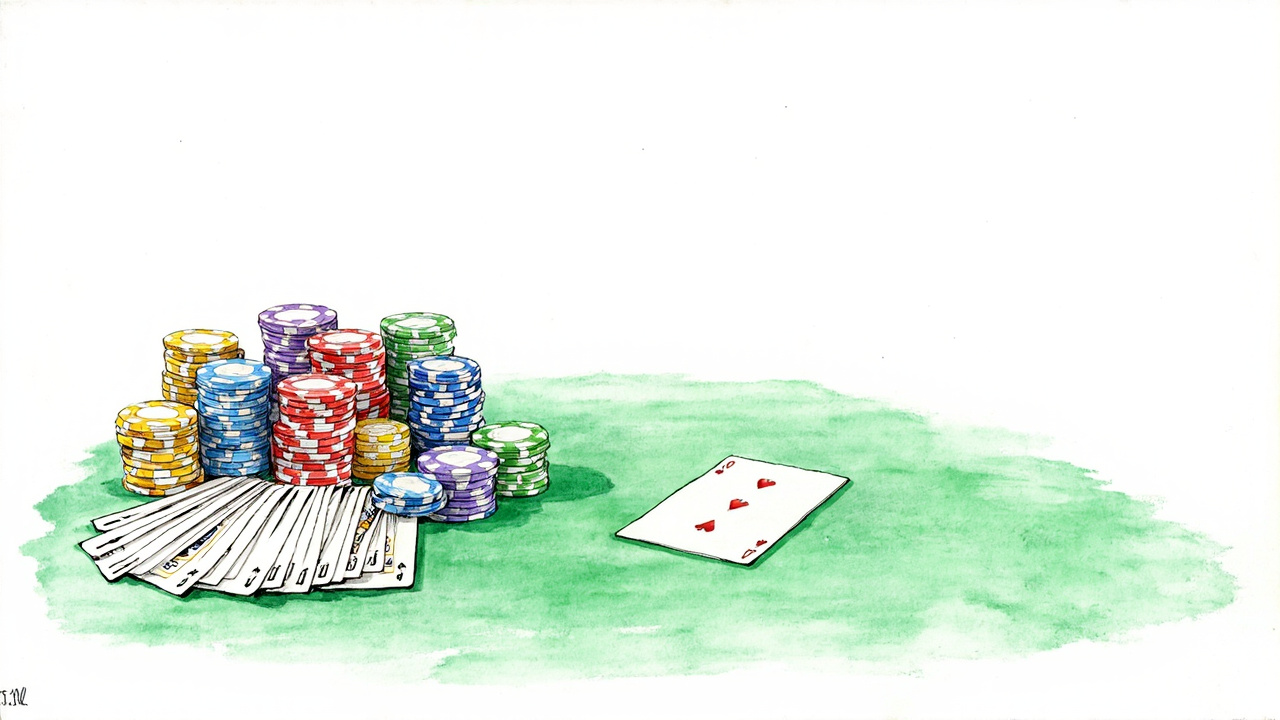
The core of online craps basic strategy is built around two bets that carry the lowest house edge on the layout: the pass line and the don’t pass, with odds taken behind them once a point is set. You don’t need a calculator to run this, just a habit of sticking to the bets that don’t pay out on every roll. The pass line wins on a 7 or 11 on the come-out, loses on 2, 3, or 12, and then waits for the point to repeat before paying. Taking odds after the point is established is the one move that genuinely lowers the combined house edge, because odds pay true probability rather than a fixed casino margin. Side bets and proposition wagers look lively on screen, but they’re where the edge climbs fast and the rhythm gets sloppy. A mate of mine from the Pilbara once laid it out over a flat white at a local café: “If you’re buying the hard ways every arvo, you’re paying for the fun, not the maths.” The other nodded and added, “Just keep the line bet and take the odds; the rest is noise.” That’s the practical split: play the low-edge structure, ignore the decorative bets, and treat every roll as a repeat of the same decision rather than a fresh lottery ticket.Watoday
Reading the table without getting distracted by the bells
A solid session runs on the same discipline you’d bring to a sportsbook market when the price is moving but the edge hasn’t changed. I’ve worked on trading desks where the temptation is to react to every tick, and craps tables reward the same restraint: watch the point, respect the come-out, and don’t switch gears just because a streak looks dramatic. The screen will throw plenty at you, including little rituals that don’t change the odds one bit. Some players call a roll of four “Little Joe”, which is just craps slang for a specific result, not a signal to change your bet. The real skill is keeping your position small enough that a cold run doesn’t force you into chasing, and large enough that a winning sequence actually matters. If a table lets you set a loss limit, a session timer, or a deposit cap before you start, use it before the first roll rather than after the second. That’s the difference between a controlled session and a screen that starts making decisions for you.https://luciebrockbroido.com Weeklytimesnow
How the room should work when you’re actually playing
The strategy only holds up if the platform behind it is built to handle your money and your boundaries without fuss. A proper setup should make registration clear, show the licence details in a place you can actually find, and keep support within reach when a deposit or withdrawal needs a human eye. I’ve seen enough product launches to know the difference between a feature that solves a problem and one that just adds a button, and the same test applies here: can you check your balance, set a limit, and get a straight answer without digging through three menus? Payment flows should be honest about timing too. In a market where PayID and BPAY are common, bank transfer timing can vary by institution, and card blocks can stop a transaction mid-session if the issuer flags it, so it’s worth reading the payout notes before you fund the account. Chip design on the digital side can be surprisingly detailed as well; some tables use chip designs that include UV markings, RFID tags and intricate art to defeat counterfeiting, which is more about integrity on the visual layer than your odds, but it does tell you the product team has thought about the table’s credibility. Leo Martin, Commercial Director, Southern Reef Gaming, puts it plainly: “A table can look polished and still be the wrong place to put discipline if the account controls are buried.” That’s the sort of call worth making before you commit to a session.
Keeping the session under your control
The last part of online craps basic strategy is the one most players skip until it’s too late: deciding in advance how the session ends. That means setting a stop point for the day, not just a target for the roll, and treating the limit as a rule rather than a suggestion. Responsible-play tools should be available before you place a bet, not hidden behind a support ticket, and privacy should be handled in a way that doesn’t leave your details scattered across a cluttered account page. If you’re playing from regional Queensland on a phone or laptop, the same standard applies: clear limits, readable terms, and a support line that answers with something useful instead of a template. The maths doesn’t care where you sit, but the platform does, and a room that makes it hard to step back is a room that’s asking for trouble. Keep the pass line, take the odds when the point is set, and let the rest of the table stay decorative. That’s the whole approach, and it works best when the platform is built to respect the same discipline you bring to the bet.