
The historical evolution of gambling From ancient rituals to modern casinos
The Origins of Gambling
The roots of gambling can be traced back to ancient civilizations, where games of chance played a significant role in cultural rituals and social interactions. Archaeological findings in China suggest that rudimentary gambling games existed as early as 2000 BC, with the use of tiles for betting. Similarly, ancient Romans engaged in various forms of gambling, including betting on gladiatorial games, which were a significant part of their entertainment culture. Today, many players enjoy online options such as payid pokies that reflect this long-standing tradition.

In ancient societies, gambling was often intertwined with religious and spiritual practices. Many cultures believed that fortune-telling and casting lots could predict the future or determine the will of the gods. This belief system contributed to the acceptance of gambling as a social norm, as engaging in these activities was seen as a way to connect with the divine, bringing both excitement and a sense of community among participants.
As civilization progressed, gambling evolved from simple games into more structured formats. The introduction of dice and standardized playing cards, believed to have originated in China and India, transformed gambling into a more organized and widespread activity. This evolution laid the groundwork for the future of gambling, influencing its legality and societal perception across various cultures.
The Middle Ages and Gambling Laws
The Middle Ages marked a pivotal period in the history of gambling, as various societies began to implement regulations to control gambling activities. In Europe, the Church played a significant role in condemning gambling, associating it with vice and moral degradation. Yet, despite these restrictions, gambling continued to flourish, particularly in royal courts where nobles would engage in games of chance and skill.
The rise of gambling houses and betting parlors in cities like Venice and Paris demonstrated the growing popularity of these activities. However, legal frameworks began to emerge, with some governments imposing taxes on gambling, recognizing its potential as a source of revenue. In England, the Gaming Act of 1845 sought to regulate the burgeoning gambling industry, setting a precedent for future legislation.
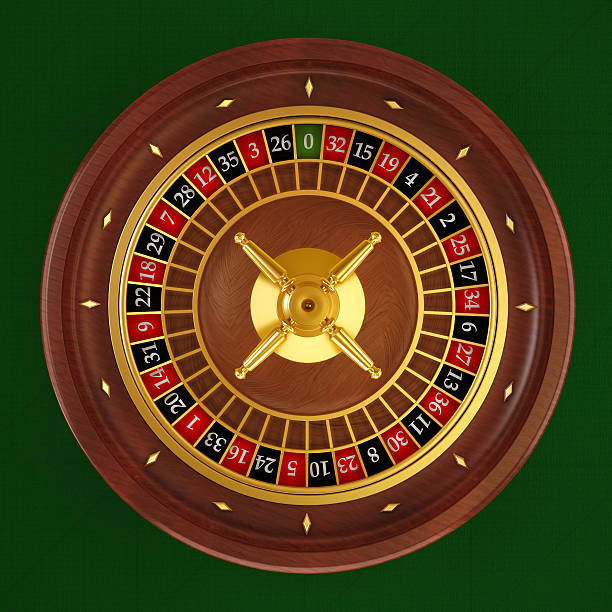
During this time, the invention of the roulette wheel in France and the establishment of standardized betting rules laid the foundation for modern casino games. These developments not only made gambling more accessible but also enhanced the sophistication of the games, ultimately leading to the establishment of dedicated gambling venues across Europe.
The Birth of Modern Casinos
The 19th century saw the emergence of the first modern casinos, with the Casino di Venezia in Italy often regarded as the first official casino. Opened in 1638, it marked a shift from informal gambling settings to structured establishments designed specifically for gaming. This transition allowed for a more immersive experience, where patrons could enjoy games, entertainment, and socializing in a luxurious environment.
In the United States, the gold rushes of the mid-1800s brought a surge in gambling as prospectors sought fortune. Cities like New Orleans and San Francisco became hubs for gaming, giving rise to iconic establishments such as the Sazerac Coffee House. The allure of gambling became inextricably linked with American culture, culminating in the establishment of Las Vegas as the modern gambling capital of the world in the early 20th century.
The legalization of gambling in various states, coupled with the construction of extravagant casinos, transformed the landscape of the gambling industry. By the late 20th century, Las Vegas had evolved into a global entertainment destination, offering not only gaming but also lavish shows, fine dining, and luxury accommodations, attracting millions of visitors each year.
The Digital Revolution and Online Gambling
The turn of the 21st century ushered in the digital age, dramatically changing the gambling landscape. The advent of the internet enabled the rise of online casinos, allowing players to engage in their favorite games from the comfort of their homes. This shift democratized gambling, making it accessible to a broader audience and leading to unprecedented growth in the industry.
Online gambling platforms began to emerge in the mid-1990s, initially facing skepticism and legal challenges. However, advancements in technology, including secure payment methods and mobile compatibility, helped legitimize online gambling. Today, players can access a vast array of games, including slots, poker, and live dealer experiences, with just a few clicks.
The rise of online gambling has not only transformed how players engage with games but has also influenced regulatory frameworks worldwide. Governments are now grappling with the complexities of online gaming, seeking to establish safe environments while ensuring that operators adhere to strict regulations. This ongoing evolution reflects the dynamic nature of gambling as it adapts to technological advancements and changing consumer preferences.
Your Guide to the Best Casinos
As gambling continues to evolve, finding the best casinos requires careful consideration of various factors. From safety and security to game variety and payment methods, players must be informed to make the right choices. Online platforms now offer comprehensive reviews of casinos, helping players navigate the myriad options available to them.
With a focus on user experience, many online casinos are optimizing their services for mobile devices, allowing players to enjoy seamless gaming on the go. Fast deposits and withdrawals are crucial, as players increasingly prioritize convenience and accessibility in their gambling experiences. By researching and comparing options, players can discover the best casinos tailored to their preferences.
Whether you are interested in online gaming or traditional casino experiences, staying informed about the latest trends and regulations is essential. Utilizing reliable resources ensures that you have access to safe, secure, and enjoyable gambling environments, allowing you to engage in this age-old pastime with confidence.